Marriage Vision Journal: Why It Helps to Define What You Want
A practical guide to creating a marriage vision journal, defining marriage expectations, and using flexible priorities and non-negotiables with care before marriage.

Quick answer
What this guide helps with
- Understand why a personal marriage vision is useful before or during a serious relationship.
- Explore the life areas a vision journal can help you name.
- Use preferences and non-negotiables with more care and less rigidity.
Marriage Vision Journal
A Marriage Vision Journal is a guided personal reflection on the life, partnership, values, responsibilities, and boundaries you want to build. It helps you name your own perspective before trying to negotiate a shared one.
Key takeaways
- A personal vision is not a demand list for another person.
- It can separate what is flexible from what is genuinely important to you.
- Naming expectations early makes future conversations kinder and more specific.
Why create a marriage vision?
Many people can say they want a happy, supportive marriage. That is a meaningful hope, but it is also broad. The details are where two people may discover alignment, differences, questions, and opportunities to care for each other better.
A vision journal helps you move from a vague picture to a personal reference. What does support mean to you when work becomes demanding? What role should family have in your home? How do you think about money, faith, culture, children, space, conflict, and everyday routines? You do not need final answers. You need enough honesty to know which conversations matter.
Start privately
A personal reflection gives you room to notice your own voice before family expectations, relationship momentum, or another person's preferences fill the space.
Then make it useful
The journal is not meant to stay abstract. It can give you clear, respectful language for conversations about the kind of partnership you hope to build together.
What to include in a Marriage Vision Journal
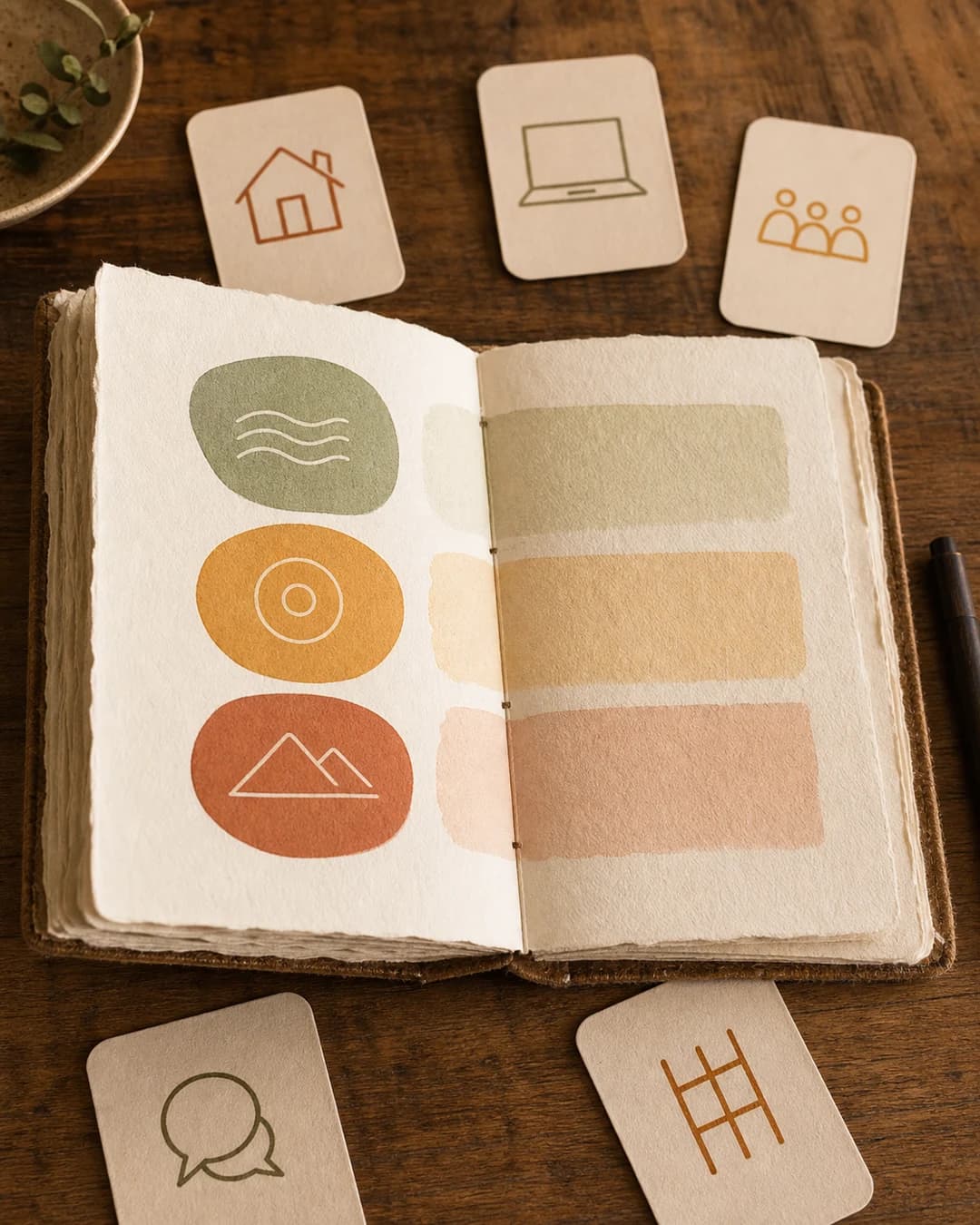
The best journal reflects real life, not an idealised wedding day. The VivahVerse Marriage Vision Journal uses eight chapters to help you think through that life.
Important, flexible, or non-negotiable?
Not every preference needs the same weight. Giving each choice a little context can prevent a journal from becoming an inflexible list.
Flexible
Important
Non-negotiable
A useful question
Instead of asking, "Will someone meet every item on my list?" ask, "What does this tell me about the life, care, and respect I need in a partnership?" That keeps a vision rooted in self-understanding rather than control.
When a vision journal is helpful
- You are considering marriage and want to understand your own priorities first.
- You are in an arranged-marriage conversation and want more substance than surface preferences.
- You and a partner are discussing a future but keep discovering unspoken assumptions.
- A family expectation feels important, but you want to decide what it means in your own life.
- You want a private reference you can revisit as your circumstances change.
Common mistakes
Writing what sounds acceptable to others
The journal only works if it reflects your actual priorities, uncertainties, and hopes.
Treating every preference as non-negotiable
A useful vision distinguishes needs from ideals and leaves room for real people and changing circumstances.
Using the journal as a substitute for conversation
A personal vision is a starting point. Shared partnership still requires listening, consent, and negotiation.
What is a Marriage Vision Journal?
A Marriage Vision Journal is a private guided reflection that helps you name what you want from partnership, daily life, family, work, values, and boundaries before trying to build that vision with someone else.
Why are non-negotiables important before marriage?
Non-negotiables can help you recognise the values and boundaries you would not want to abandon in a partnership. They work best when they are specific, honest, and paired with openness to another person's perspective.
What should I write about before marriage?
You can reflect on home, career, money, children, family, lifestyle, culture or faith, communication, boundaries, and the everyday support you hope to give and receive in a partnership.
Name the life you want to build